



Coimbra in 2 Days: An Itinerary Through History, Flavours and the Mondego
From the heights of the University to the banks of the Mondego, Coimbra is a city shaped by history, academic traditions, gardens and the flavours of Central Portugal. In two days, there is time to discover some of its most iconic landmarks, explore the historic Upper and Lower Town, cross the river and still enjoy the city through its food. This 48-hour Coimbra itinerary brings together suggestions on what to see, what to do and what to taste along the way.
Much of Coimbra’s heritage is concentrated between the University’s Upper Town and the Lower Town, making it possible to explore a large part of the city on foot. With steep streets, stairways, squares and views over the Mondego, the journey between each landmark becomes part of the experience itself.
Day 1: from the University to Coimbra’s Lower Town
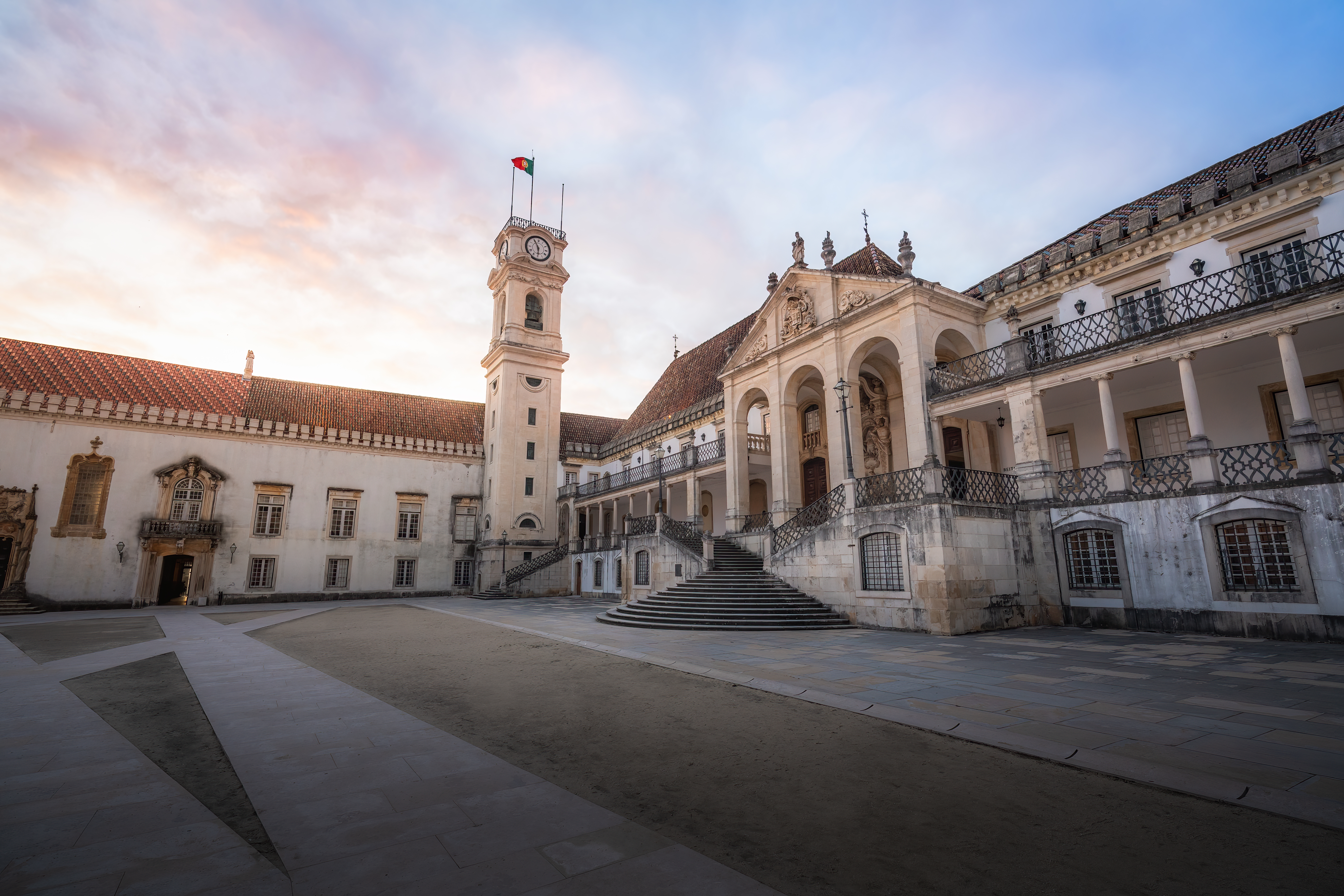
The University and Upper Town
Start at the University of Coimbra, one of the city’s most iconic landmarks and part of the area classified as a UNESCO World Heritage Site.
At Paço das Escolas, allow time to explore some of the University’s most remarkable spaces, particularly the Joanina Library, one of Portugal’s finest examples of Baroque architecture. Entry is organised into specific time slots and capacity is limited, so booking your ticket in advance is recommended.
After your visit, take your time exploring the Upper Town. University buildings, traditional student houses known as repúblicas, stairways, small squares and narrow streets reveal just how deeply academic life remains intertwined with Coimbra’s identity.
A few minutes away is the Old Cathedral of Coimbra (Sé Velha), a natural stop before beginning the descent towards the Lower Town.
From the Old Cathedral to the Mondego
As you make your way downhill, Coimbra’s university quarter gradually gives way to the everyday life of the Lower Town.
Walk through the pedestrian streets of the Baixa and continue towards Praça 8 de Maio, home to the Monastery of Santa Cruz, where Portugal’s first two kings, Afonso Henriques and Sancho I, are buried.
From here, there is no need to follow a strict itinerary. Step into a bookshop, stop for coffee or simply take some time to watch the city go by — these quieter moments are also part of discovering Coimbra.
End your first day by the Mondego River. In the late afternoon, the view towards the hillside, with the University at the top and the city cascading down towards the river, offers a different perspective on the places explored throughout the day.
-
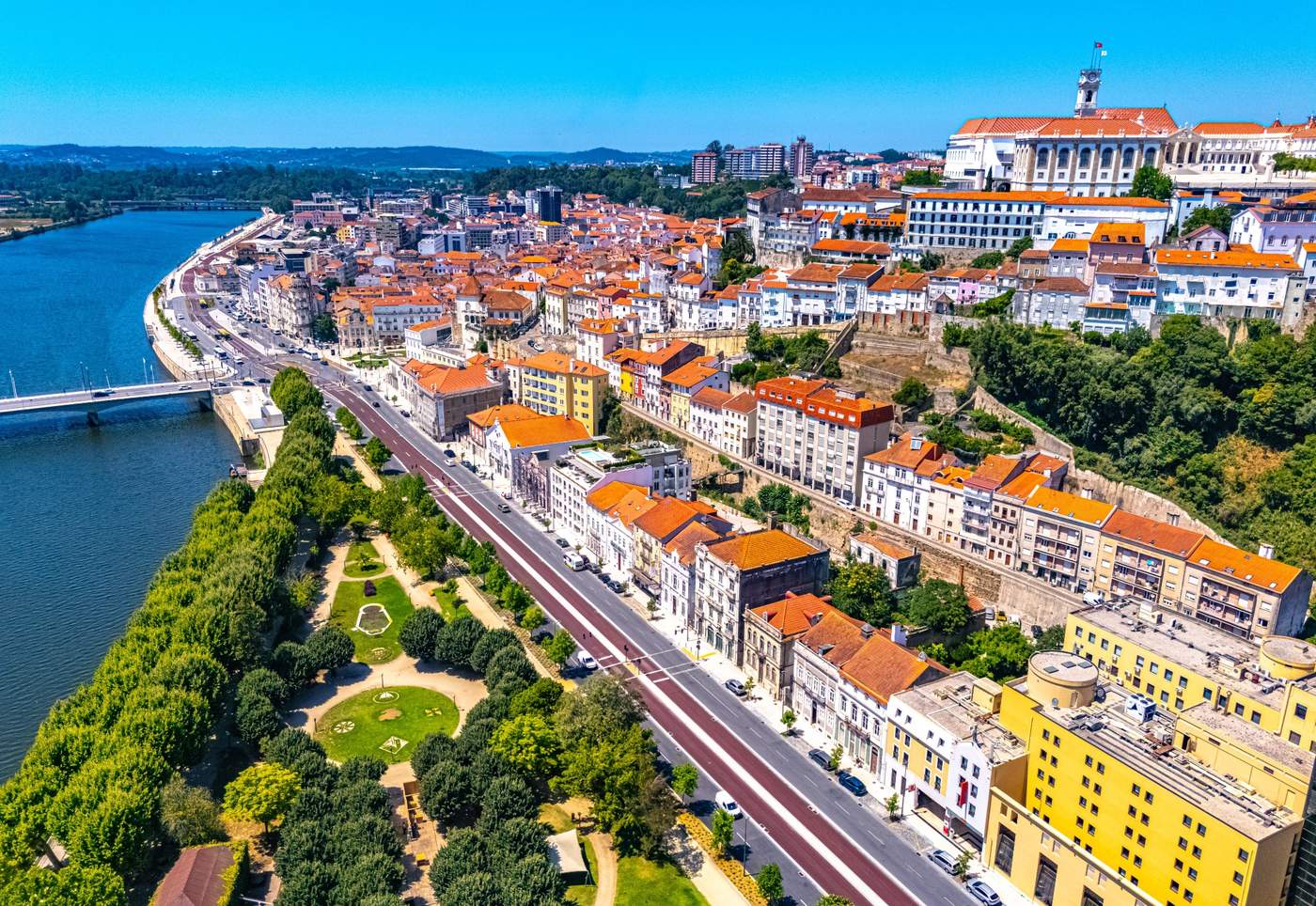
Coimbra - Portugal

Day 2: across the Mondego
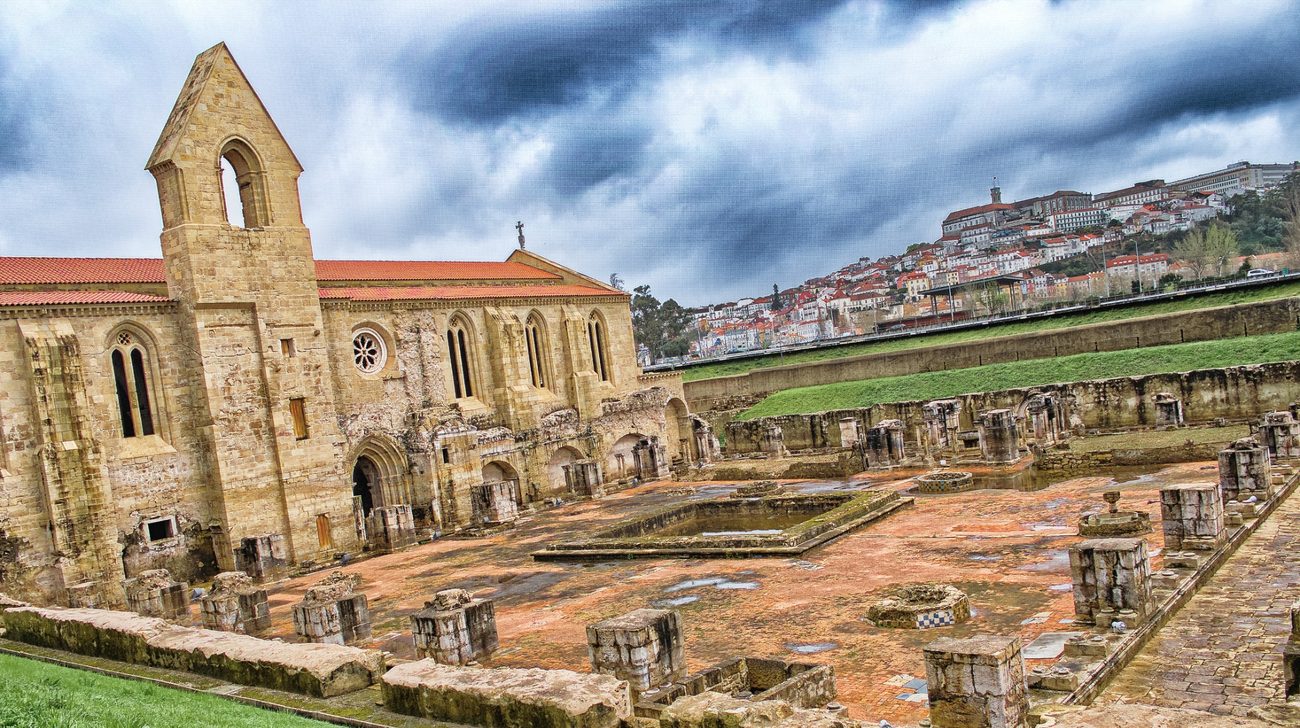
On your second day, cross the Mondego and discover a different side of Coimbra.
Santa Clara and the gardens across the river
Start at the Santa Clara-a-Velha Monastery, whose history is closely connected to the river. For centuries, successive floods shaped life in the former monastery, which has since been restored as an archaeological site.
Continue to the Quinta das Lágrimas, forever associated with the story of Pedro and Inês de Castro. Beyond its historical and literary significance, the gardens offer a peaceful setting and an interesting contrast to the more urban pace of your first day.
If you are travelling with children
If you are visiting Coimbra as a family, consider including Portugal dos Pequenitos, also located on this side of the river. Otherwise, use the rest of the day to return to the historic centre and explore Coimbra at a slower pace, without feeling the need to tick off a list of sights.
Flavours of Coimbra What to eat in Coimbra?Discovering Coimbra also means discovering its food. Among the flavours associated with the region is chanfana, traditionally made with goat meat and red wine and slowly cooked in a clay pot. Coimbra’s proximity to Bairrada also makes roast suckling pig a familiar feature of the region’s cuisine. For something sweet, look out for Pastéis de Santa Clara, rooted in Coimbra’s convent tradition, and the city’s traditional arrufadas. Rather than trying to taste everything in a single trip, let Coimbra’s food become part of the itinerary itself: stop at a pastry shop while exploring the Lower Town, sit down for a meal inspired by regional cuisine or simply make time to discover a local flavour you have never tried before. |
A suggestion in the Upper Town Flavours and stories at Tasca das Tias CamellasIn the Upper Town, Tasca das Tias Camellas, at the Sapientia Boutique Hotel – Books & Wine, takes its name from a 19th-century Coimbra tavern associated with the city’s university and bohemian life. Its menu draws inspiration from Portuguese flavours, offering another way to experience Coimbra’s identity around the table. |
Where to stay in Coimbra Stay in the heart of the Upper Town
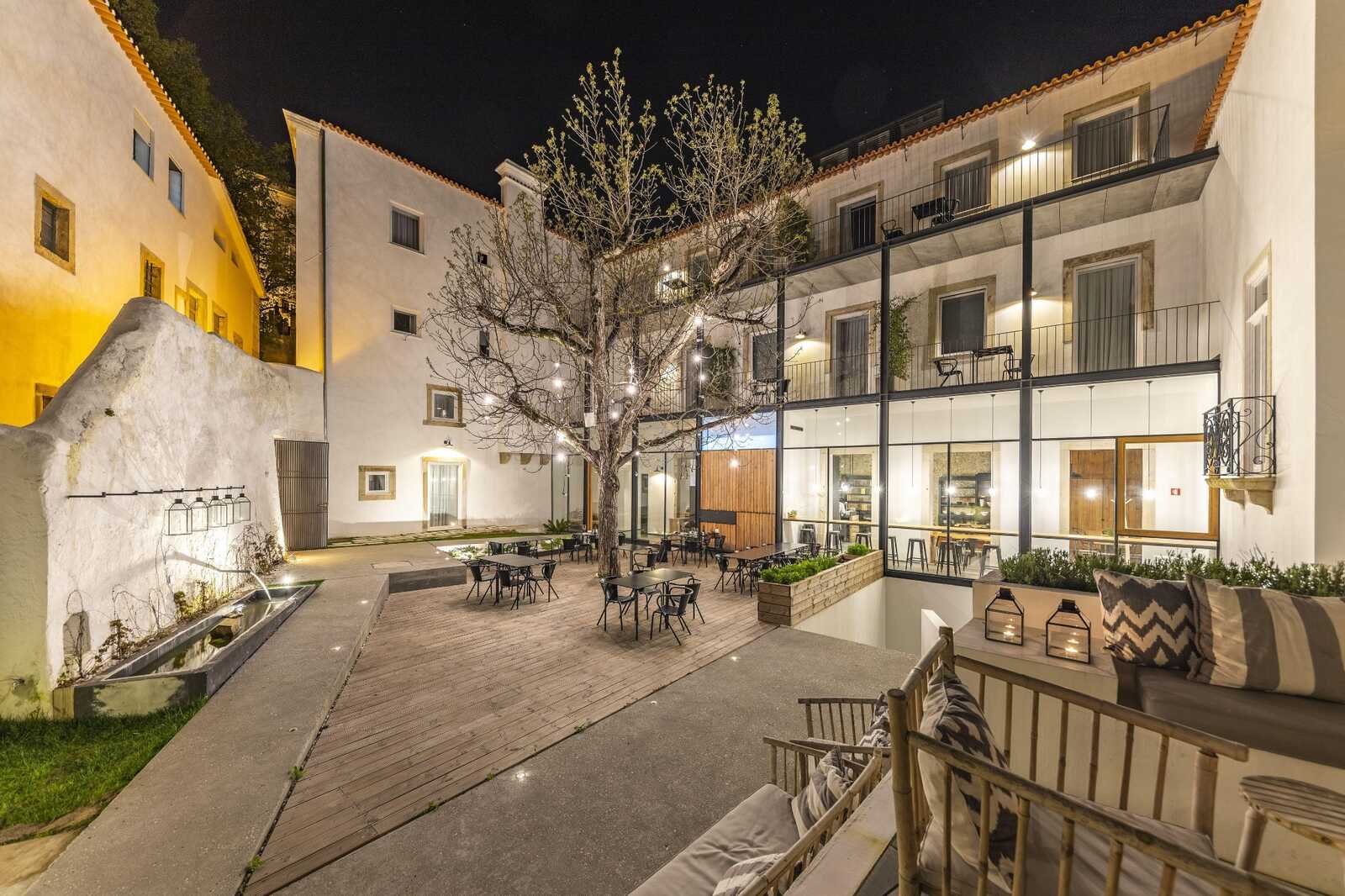
When you only have 48 hours to explore Coimbra, staying in the historic centre helps you make the most of your time. Next to the University, Sapientia Boutique Hotel – Books & Wine occupies three historic buildings and also features a restaurant, bar, courtyard and rooftop. Its location means you can start your itinerary directly in the Upper Town and explore much of Coimbra on foot, while staying closely connected to the city’s historical, academic and literary identity. |
Related articles
-

- Travel Guides
The Algarve Many Visitors Never Discover: 5 Experiences Beyond the Beaches
When people think of the Algarve, beaches, dramatic cliffs and boat trips are usually the first thin…
21 Jul 2026 -

- Travel Guides
Where to stay in Portugal this summer: what really makes the difference
Where to stay in Portugal in summer also depends on how you want to spend your days. Between Lisbon,…
29 Apr 2026

