



How Travel Has Changed in Portuguese Cities
Traveling in Portuguese cities is no longer just about visiting landmarks or following predefined itineraries. The way people travel has changed — and with it, expectations, choices, and how cities are experienced. Today, travel is about understanding context, feeling the urban rhythm, and forming a genuine connection with place.
For a long time, city travel was associated with speed. Seeing as much as possible in the shortest amount of time, ticking off attractions, and moving quickly from one place to another. Today, that approach is giving way to a more conscious and immersive way of traveling.
Contemporary travelers increasingly value depth over quantity. They stay longer in one destination, walk more, observe more, and seek to understand how the city functions day to day. Lists matter less than context: rhythms, routines, and the spaces where everyday life unfolds.
This shift is particularly evident in Portuguese cities, where human scale, cultural identity, and proximity between people and places allow for a more authentic urban experience. Travel is no longer just about seeing the city: it is about living it from within.
In this context, accommodation is no longer neutral. The way a hotel integrates into the city, relates to its surroundings, and aligns with the urban rhythm directly shapes the travel experience.
-
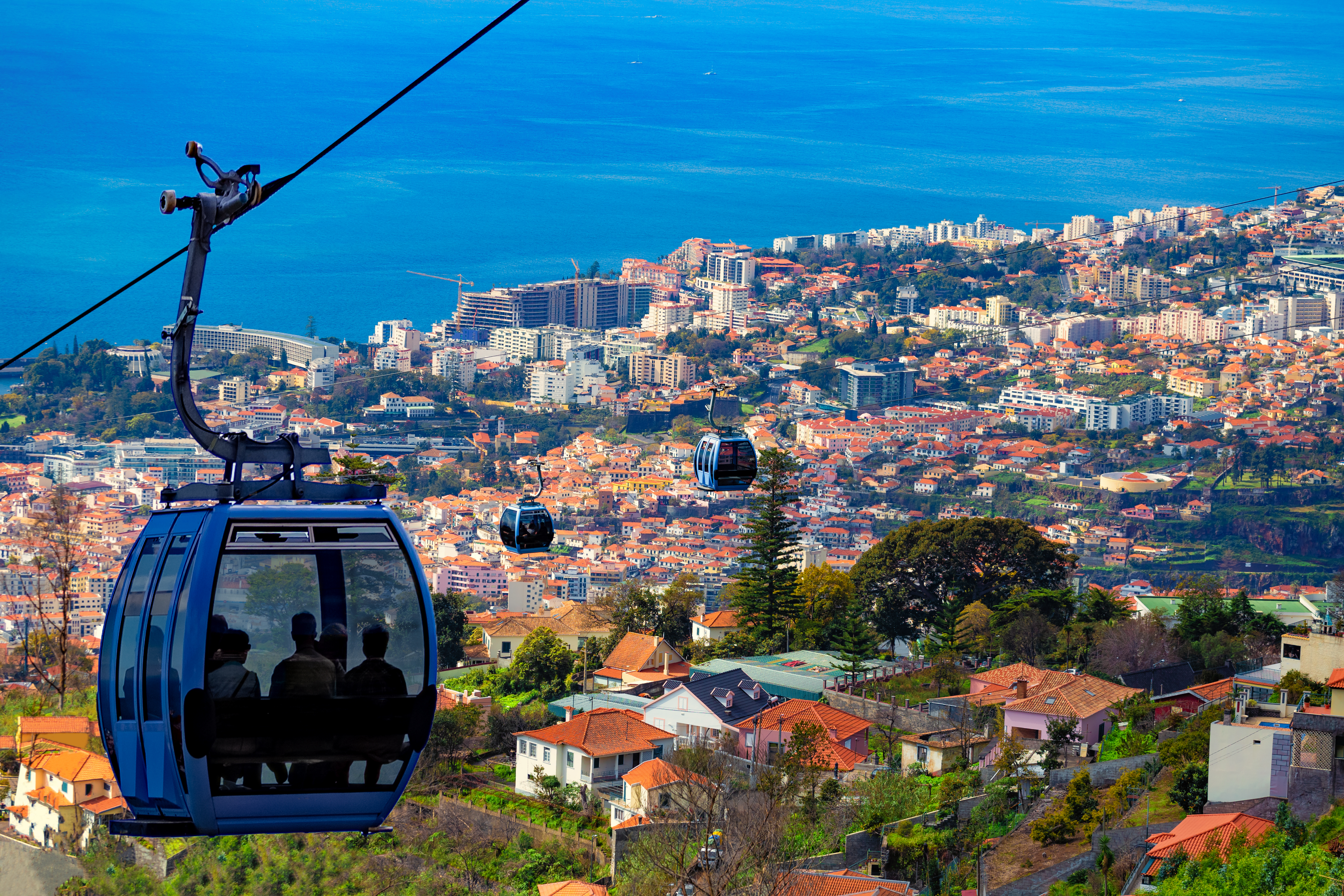
Funchal Teleférico
Urban experiences have become more organic and less programmed. Often, the most meaningful moments are unexpected: a street discovered by chance, a place frequented by locals, a pause to observe the city in motion.
The relationship with culture and gastronomy has also become more closely tied to place. Travelers seek what is specific to the territory — expressions rooted in local identity and everyday urban life — rather than standardized or disconnected offerings.
Within this new way of traveling, hotels play a discreet but essential role. Not as protagonists, but as mediators between travelers and the city. A starting point that supports connection, respects the place, and aligns with how the city is lived.
Ultimately, what has changed in traveling through Portuguese cities is the importance of context. Travel has shifted from consumption to understanding and that shift is here to stay.
Artigos relacionados
-

- Cities
- Getaways
April in Portugal: cities and getaways to enjoy spring
April becomes one of the most appealing months to travel in Portugal. The arrival of spring brings m [...]
27 Mar 2026 -

- Cities
Cities to visit in Portugal that are best discovered on foot
Whether the destination is already chosen or still under consideration, when searching for cities to [...]
12 Mar 2026 -

- Cities
Did You Know Porto Changes After the Second Night?
Many travelers planning a trip to Porto ask the same question: how long should you spend in Porto? T [...]
05 Feb 2026